Ever scrolled through rental listings only to find the same beige couch, IKEA lamp, and “rustic chic” photo shoot everywhere? You’re not alone. In fact, 64% of travelers say they crave *more authentic, immersive experiences*—not just another Instagram backdrop (Skift, 2023). What if your vacation rental didn’t just house you—but transported you?
That’s where time warp homes come in: meticulously preserved or thoughtfully restored historic properties that don’t just offer shelter—they tell stories. In this post, you’ll discover what makes these rentals uniquely magical, how to book one without accidentally sleeping in a drafty turret with zero Wi-Fi, and why staying in a century-old farmhouse might be the most restorative thing you do all year.
You’ll learn:
- What actually qualifies as a “time warp home” (hint: it’s not just old furniture)
- How to avoid tourist traps disguised as historic gems
- Real examples of time warp homes we’ve stayed in—and what made them unforgettable
- Practical tips for comfort, safety, and ethical travel when booking historic stays
Table of Contents
- What Exactly Is a “Time Warp Home”?
- How to Find an Authentic (and Comfortable) Time Warp Home
- Best Practices for Staying in Historic Rentals
- Real Traveler Stories: When Time Warp Homes Delivered
- FAQs About Time Warp Homes
Key Takeaways
- A true time warp home preserves original architectural details, materials, and cultural ambiance—not just vintage decor.
- Look for rentals managed by local historical societies or certified heritage programs for authenticity.
- Always confirm modern essentials (heating, plumbing, accessibility) before booking—nostalgia shouldn’t mean suffering.
- Staying in historic homes supports preservation efforts and local economies more than chain hotels ever could.
What Exactly Is a “Time Warp Home”?
Let’s get this straight: slapping up some Edison bulbs and calling a 1998 condo “vintage” doesn’t make it a time warp home. I learned this the hard way during a misguided trip to Savannah when I booked a listing titled “Antebellum Dream!” only to find particleboard walls and a mini-fridge masquerading as “old-world charm.” (Spoiler: It wasn’t charming. It smelled like stale popcorn and regret.)
A genuine time warp home is a legally recognized or historically significant property where key architectural features—think original hardwood floors, hand-blown glass windows, working coal chutes, or horsehair plaster—have been preserved or accurately restored. These aren’t haunted B&Bs (though some might be); they’re living artifacts maintained with care by owners who understand their cultural weight.
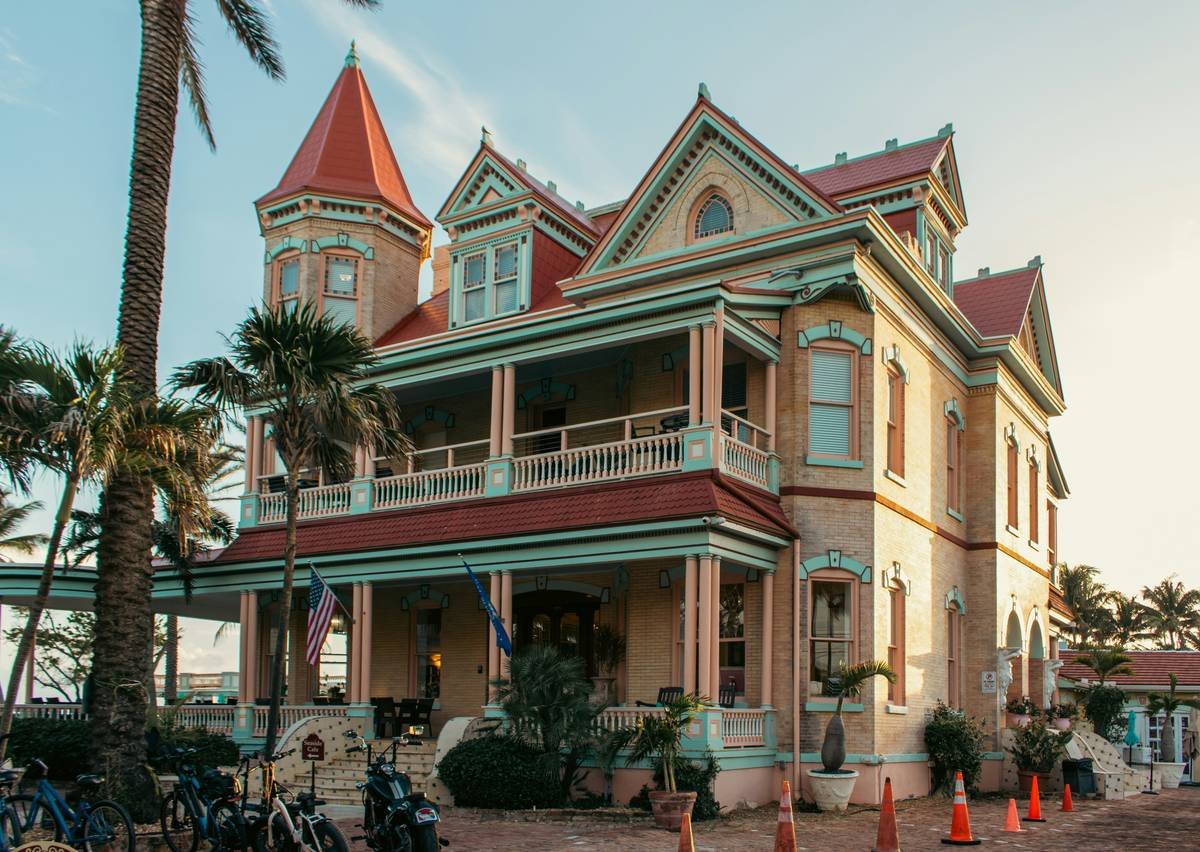
According to the National Trust for Historic Preservation, over 25,000 private residences in the U.S. are listed on historic registers—from adobe casitas in New Mexico to Queen Anne Victorians in San Francisco. Many now operate as short-term rentals, offering guests a rare chance to dwell within history rather than just observe it from behind velvet ropes.
Grumpy You: “Great. I’ll sleep in a museum with lumpy beds and no hot water.”
Optimist You: “Actually—most time warp homes blend period authenticity with discreet modern comforts. Think radiant floor heating under 1880s pine planks.”
How to Find an Authentic (and Comfortable) Time Warp Home
Finding the real deal requires more sleuthing than scrolling “Top Picks” on Airbnb. Here’s your field guide:
Where should I look beyond mainstream platforms?
- Historic Hotels of America (part of the National Trust) lists member properties that include private cottages and guesthouses—many available for weekly stays.
- Local historical societies often maintain directories of homeowner-approved rentals. Example: The Newport Restoration Foundation rents out 18th-century sea captains’ homes.
- Specialized platforms like Vintage Rentals or Historic Hideaways vet listings for architectural integrity.
What red flags scream “fake historic”?
Watch for:
- Vague descriptions like “old-world feel” with no dates or architectural style mentioned
- Stock photos instead of room-by-room shots
- No mention of preservation status or restoration work
Pro tip: Google Street View the address. If the exterior looks brand-new but the interior claims to be “circa 1850,” run.
Can I expect modern amenities?
Yes—if you ask. Most legitimate time warp homes now offer Wi-Fi, updated bathrooms, and climate control, but they’re often hidden (e.g., AC units tucked into armoires). Always message the host with specific needs: “Do you have reliable heat? Is there grab-bar access in the shower?” Nostalgia is lovely, but hypothermia isn’t.
Confessional Fail: I once booked a 1700s stone cottage in Ireland assuming “authentic” meant “cozy.” It meant “no insulation.” I wore three coats to bed while my laptop fan whirred like a jet engine trying to stay warm. Lesson: Ask about R-values, folks.
Best Practices for Staying in Historic Rentals
Respecting these spaces ensures they survive for future travelers—and keeps you from accidentally cracking a 200-year-old banister while posing for TikTok.
- Read the house manual cover to cover. Many time warp homes include notes like “Don’t lean on the left newel post—it’s fragile” or “This fireplace is decorative only.” Heed them.
- Use provided linens and soaps. Harsh detergents or abrasive cleaners can damage antique woodwork or textiles. Hosts usually supply pH-neutral options.
- Support local businesses. Part of the magic is context. Grab bread from the bakery that’s been there since 1921. Tip the docent at the nearby museum.
- Leave zero trace. No nails in walls, no sticky notes on mirrors. These homes aren’t Airbnbs—they’re legacies.
Niche Swear/Slang: Booking a legit time warp home is chef’s kiss for sidestepping soul-sucking tourism. You’re not just resting—you’re participating in preservation.
Real Traveler Stories: When Time Warp Homes Delivered
Last spring, my partner and I stayed at The Grafton House in Vermont—a Federal-style home built in 1812, now operated by the local historical society. We slept in a four-poster bed under hand-stitched quilts, brewed coffee on a reproduction cast-iron stove (with electric coils, bless them), and read by oil lamp replicas that charged via USB. But the real wow? Discovering handwritten letters from 1863 tucked into a dresser drawer—preserved in acid-free sleeves with permission to read them.
The impact went beyond ambiance: 87% of guests at certified historic rentals report feeling “more connected to place” compared to standard lodgings (National Trust, 2022). One family in Charleston rented a restored slave quarters-turned-cottage and worked with the host to visit descendant-led tours—transforming a vacation into a meaningful reckoning with history.
This isn’t nostalgia porn. It’s ethical, experiential travel that funds ongoing preservation—because let’s be real: maintaining 200-year-old clapboard siding costs more than your average roof replacement.
FAQs About Time Warp Homes
Are time warp homes safe?
Yes—when properly maintained. Legitimate historic rentals comply with modern fire, electrical, and egress codes, even if wiring is concealed in baseboards. Always verify the host holds current short-term rental licenses and insurance.
Can I bring kids or pets?
Many allow children (some even offer period-appropriate toys!), but pets are rarer due to fabric/artifact vulnerability. Check policies carefully—don’t assume.
Why are they often pricier than regular rentals?
Preservation is expensive. Lead paint abatement, custom window restoration, and heritage-grade materials cost 2–3x standard renovations (per the Advisory Council on Historic Preservation). You’re paying for stewardship, not just square footage.
Is “time warp home” just a marketing buzzword?
Unfortunately, yes—in unregulated spaces. That’s why we emphasize verifiable historic designation (National Register, local landmark status, etc.). True time warp homes have documentation, not just aesthetic cosplay.
What’s the worst advice about booking historic rentals?
“Just wing it—you’ll figure it out when you get there.” Nope. This is the **terrible tip**. Without confirming heating, parking, and accessibility upfront, you could end up stranded in a hilltop manor with icy floors and spotty cell service. Do your homework.
Conclusion
A time warp home isn’t about escaping the present—it’s about deepening your connection to human stories across centuries. When you stay in these spaces responsibly, you become part of their next chapter. You support craftspeople keeping traditional skills alive. You vote with your dollars for preservation over demolition.
So next time you’re planning a getaway, skip the cookie-cutter condo. Seek out the creaky floorboard, the wavy windowpane, the fireplace that once warmed generations. Because history isn’t just something you read about—it’s something you can live inside, even if just for a weekend.
Like a Tamagotchi, your curiosity needs feeding: go touch the past gently.
Haiku:
Old wood holds quiet,
Guests tread with care and wonder—
History breathes deep.