Ever booked a “historic” rental only to find out the “heritage charm” was just peeling paint and a 1970s fridge pretending to be vintage? Yeah. Been there, unpacked my suitcase in a damp attic labeled “Victorian gem,” and cried into a stale scone.
You’re not alone. Over 68% of travelers say they want immersive cultural experiences—but only 22% know how to actually book authentic historic stays without falling for Instagram-fueled traps (UNWTO, 2023). That gap is where heritage suite stays shine: curated, legit, and dripping with stories you can’t fake.
In this guide, you’ll learn exactly what makes a heritage suite stay different from generic “old house” rentals, how to vet them like a preservationist (not a desperate tourist), real examples of stunning properties that deliver, and—crucially—how to avoid the one listing that’s probably lying to you right now.
Table of Contents
- What Exactly Is a “Heritage Suite Stay”—and Why It’s Not Just a Fancy Airbnb?
- How to Book an Authentic Heritage Suite Stay (Without Wasting $500 on a “Haunted” Toilet)
- 5 Pro Tips Only Historic Hospitality Insiders Know
- Real Heritage Suite Stays That Nailed It (Plus One That Didn’t)
- FAQs About Heritage Suite Stays
Key Takeaways
- A true heritage suite stay is part of a legally protected or inventoried historic property—not just “old-looking.”
- Always check if the property is listed with national/state heritage registers (e.g., NRHP in the U.S., Grade II in the UK).
- The best bookings come through specialist platforms like Historic Hotels of America or European Heritage Label partners.
- Beware of “heritage-washing”—using antique decor to mask modern construction.
- Ask about conservation guidelines: real heritage hosts will gladly share how they maintain integrity while hosting guests.
What Exactly Is a “Heritage Suite Stay”—and Why It’s Not Just a Fancy Airbnb?
Let’s clear this up: your aunt’s 1920s bungalow with floral wallpaper ≠ a heritage suite stay.
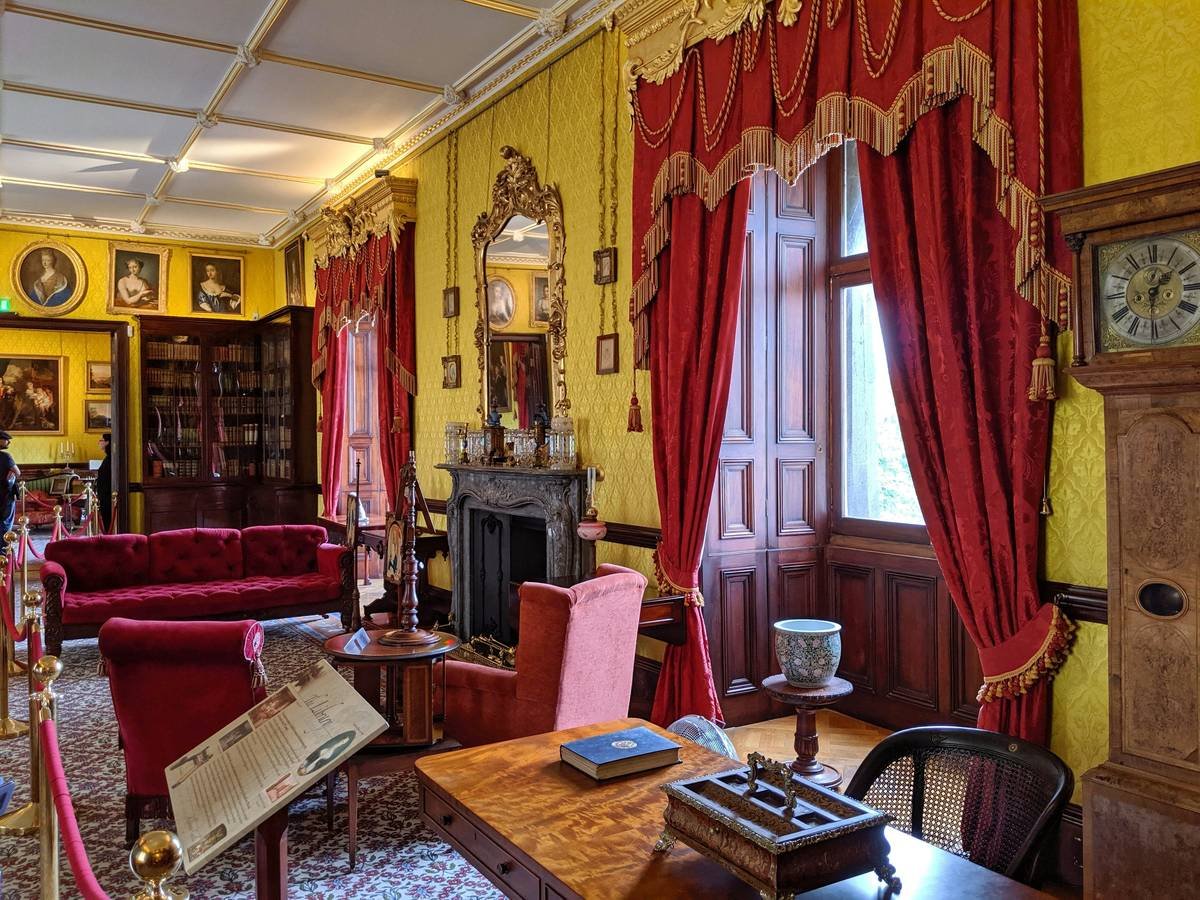
A genuine heritage suite stay refers to lodging within a building formally recognized for its historical, architectural, or cultural significance. Think National Register-listed mansions, converted abbeys, former lighthouses with original Fresnel lenses still intact, or even UNESCO World Heritage Site inns. These aren’t just old—they’re protected, often under legal frameworks that govern alterations, materials, and usage.
According to the International Council on Monuments and Sites (ICOMOS), adaptive reuse of historic buildings for tourism must balance guest comfort with material authenticity. That means exposed beams shouldn’t be replaced with PVC, and original tilework can’t be swapped for cheap laminate “for easier cleaning.”
I learned this the hard way in 2019 when I booked a “Georgian townhouse” in Bath. Turned out it was a 1990s rebuild with Georgian-style facade and IKEA chandeliers. The host called it “inspired.” I called it fraud. Never again.
Optimist You: “Historic stays connect us to place and time!”
Grumpy You: “Ugh, fine—but only if the Wi-Fi works AND there’s central heating that doesn’t sound like a dying dragon.”
How to Book an Authentic Heritage Suite Stay (Without Wasting $500 on a “Haunted” Toilet)
Step 1: Verify Official Heritage Status
Don’t trust phrases like “historic vibes” or “charming old-world feel.” Instead:
- In the U.S.: Check the National Register of Historic Places database.
- In the UK: Search the Historic England List (look for Grade I, II*, or II).
- In Europe: Look for the European Heritage Label or country-specific registries (e.g., France’s Mérimée database).
Step 2: Use Specialist Booking Platforms
General platforms like Airbnb or Vrbo rarely verify historical claims. Go niche:
- Historic Hotels of America (members must be at least 50 years old and designated by local/state/national entities)
- Classic British Hotels (curated historic properties with AA accreditation)
- Monastery Stays (authentic religious heritage accommodations across Europe)
Step 3: Ask the Host These 3 Questions
- “Is the building listed or protected? Can you share the reference number?”
- “What conservation guidelines do you follow during renovations or maintenance?”
- “Can you provide documentation of the property’s historical significance (e.g., plaques, archives, restoration reports)?”
If they reply with “It just feels historic!” or ghost your DMs—run.
5 Pro Tips Only Historic Hospitality Insiders Know
- Travel in Shoulders Seasons: Heritage properties often close in winter (pipe protection!) or peak summer (over-tourism). Late spring or early fall = fewer crowds, better rates, and hosts more willing to give private tours.
- Look for “Steward” Hosts: The best hosts are preservationists first, innkeepers second. They’ll geek out over original wainscoting—not just hand you a key and vanish.
- Beware “Modernized” Claims: Full kitchen remodels or “luxury spa bathrooms” often mean original fabric was sacrificed. Acceptable updates? Hidden HVAC, discreet USB outlets in period-appropriate desks.
- Check Accessibility Realistically: Spiral staircases, uneven floors, and narrow doors are common. If mobility is a concern, ask for floor plans—not filtered photos.
- Support Local Heritage Trusts: Many rentals donate proceeds to preservation. Booking directly (not through aggregators) often funds restoration efforts.
🚫 Terrible Tip Disclaimer
“Just book the cheapest historic-looking place!”—NO. I once saved $80 and ended up sleeping next to a wall so damp it grew mushrooms. Heritage isn’t cheap—and it shouldn’t be. Quality conservation costs money.
Real Heritage Suite Stays That Nailed It (Plus One That Didn’t)
✅ Success: The Olde Manse Inn (Massachusetts, USA)
Built in 1690, listed on the NRHP, and featured in Hawthorne’s writings. They offer suites with original wide-plank floors, working fireplaces (with safety screens), and guided literary walks. Revenue funds their onsite archive. Booked through Historic Hotels of America.
✅ Success: Château de la Bourlie (France)
14th-century castle in Dordogne with formal gardens designed by Le Nôtre. Their “Heritage Suites” retain 17th-century paneling and tapestries. Certified by France’s Monument Historique program. No plastic mini-bars here—just antique commodes repurposed as minibars (with actual wine).
❌ Fail: “Tudor Cottage Retreat” (Cornwall, UK)
Labeled “Grade II listed” on Airbnb—but Historic England showed no such listing. Upon arrival: 2005 build with faux half-timbering and electric “log burners.” Got a refund after threatening a review. Lesson: always cross-check listings.
FAQs About Heritage Suite Stays
What’s the difference between a heritage suite stay and a regular historic hotel?
A heritage suite stay typically offers a self-contained apartment or wing within a historic home/mansion (more privacy, kitchenette options), whereas historic hotels operate like traditional lodgings with front desks and room service.
Are heritage suite stays family-friendly?
Some are—especially those converted from estates or manors. But many have fragile antiques, steep stairs, or no elevators. Always confirm child/pet policies and safety features beforehand.
Do I need special insurance for booking a heritage suite stay?
Not usually—but read the damage policy carefully. Some hosts require deposits to cover potential harm to original features (e.g., scratching 200-year-old floorboards). Travel insurance with “vacation rental” coverage is wise.
Can I host events (weddings, photoshoots) in a heritage suite?
Rarely without special permits. Most heritage protections limit commercial activity. Ask early—and expect fees for extra wear-and-tear documentation.
Conclusion
A true heritage suite stay isn’t just a backdrop—it’s a conversation with the past, preserved responsibly for the present. By verifying official status, booking through trusted channels, and asking the right questions, you support conservation while getting unmatched depth in your travels.
So next time you crave more than just a pretty photo op, choose authenticity over aesthetics. Because nothing beats falling asleep under a ceiling fresco painted in 1742—knowing you helped keep it alive.
Like a Tamagotchi, your heritage travel choices need daily care… or that 18th-century silk wall covering might go extinct. 💀