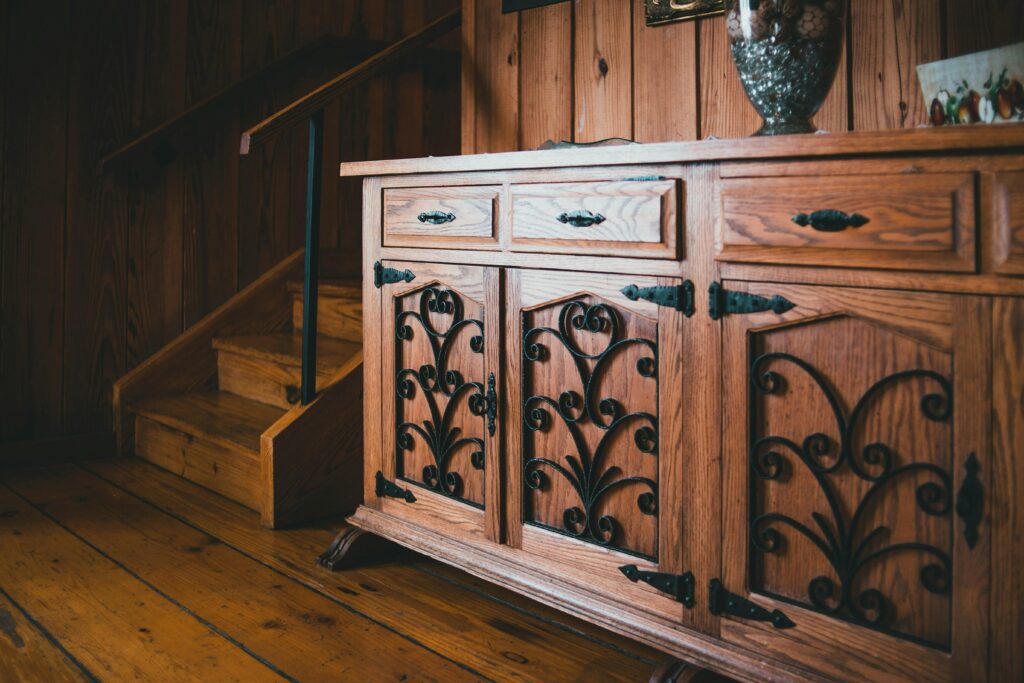
Ever booked what looked like a “charming historic cottage” online—only to arrive and find peeling wallpaper, flickering lights, and a bathroom that smells faintly of 1973? Yeah. We’ve all been there.
But here’s the truth: vintage vacation rentals—when chosen wisely—aren’t just nostalgic decor. They’re time machines with Wi-Fi (sometimes). They offer immersive storytelling, architectural authenticity, and a sense of place you won’t get from a cookie-cutter resort. This guide cuts through the Instagram filters to show you how to find, vet, and truly enjoy vintage stays that honor history without sacrificing comfort.
You’ll learn:
- What actually qualifies as a “vintage” or “historic” rental (spoiler: it’s not just exposed brick)
- How to spot legit heritage properties vs. slapped-on shiplap scams
- Real examples of unforgettable vintage stays across the U.S. and Europe
- Practical tips for balancing charm with modern amenities
Table of Contents
- What Exactly Are Vintage Vacation Rentals?
- How to Find Authentic Vintage Vacation Rentals
- Best Practices for Booking & Staying in Historic Homes
- Real Case Studies: When Vintage Stays Shine
- Frequently Asked Questions About Vintage Vacation Rentals
Key Takeaways
- “Vintage vacation rentals” typically refer to homes built before 1960 with preserved architectural features—not just antique furniture.
- Look for listings registered with heritage organizations (e.g., National Register of Historic Places) or platforms like Historic Hotels of America.
- Always confirm key modern amenities (HVAC, plumbing, accessibility) before booking.
- The most rewarding stays blend historical integrity with thoughtful updates—think original hardwood floors + a Nespresso machine.
What Exactly Are Vintage Vacation Rentals?
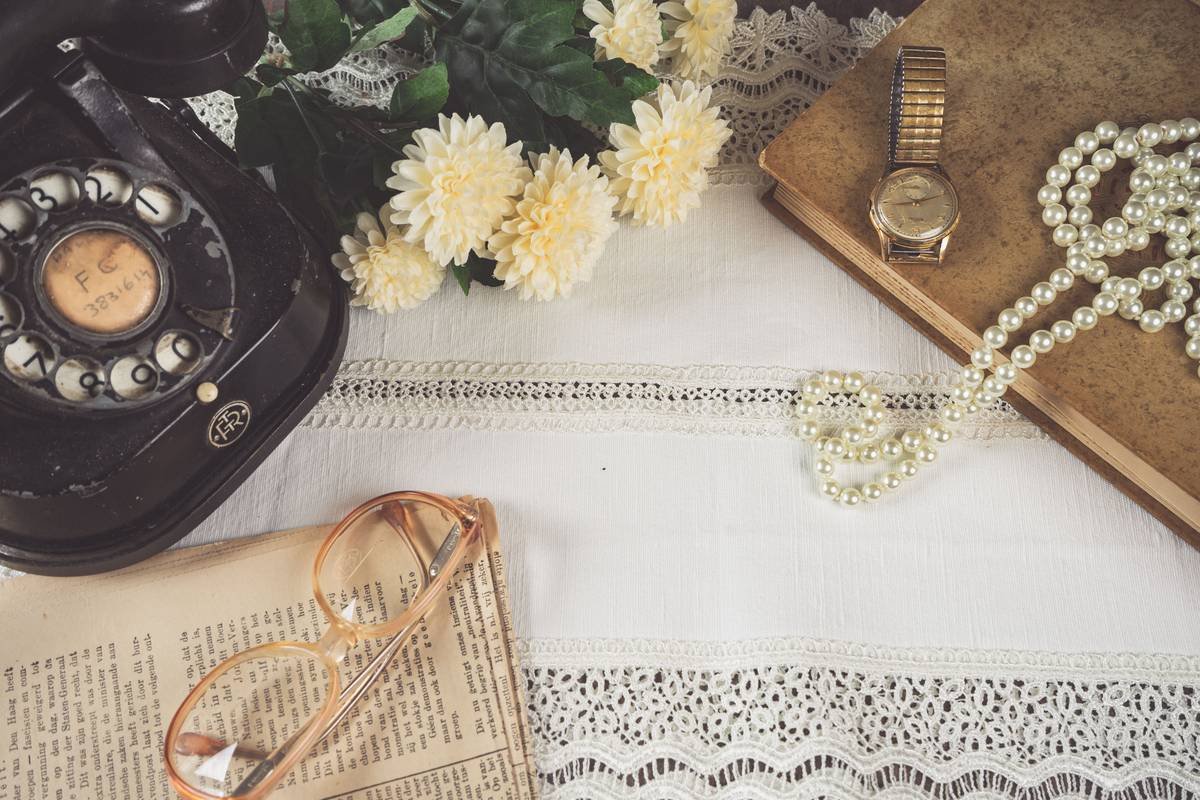
Let’s clear up the confusion: “vintage” in travel doesn’t mean your host left a rotary phone on the nightstand as decor (though bonus points if it works). True vintage vacation rentals are properties constructed during significant architectural eras—Victorian, Craftsman, Art Deco, Mid-Century Modern—and retain original structural or design elements.
According to the National Trust for Historic Preservation, a building is generally considered “historic” if it’s at least 50 years old and retains enough integrity to convey its historical significance. That means original windows, moldings, staircases, or even floor plans matter more than a retro lampshade.
I once stayed in a 1920s bungalow listed as “historic chic.” Turned out, “chic” meant spray-painted IKEA shelves and zero original fixtures. Total fail. Don’t be me.
How to Find Authentic Vintage Vacation Rentals
Finding the real deal takes more than scrolling Airbnb with “vintage” as a filter. Here’s how to dig deeper:
Where do I even start looking for genuine vintage rentals?
Forget generic platforms alone. Cross-reference these trusted sources:
- Historic Hotels of America (yes, some offer full-home stays)
- National Register of Historic Places database—search by location
- Vrbo’s “Historic Homes” collection (curated, but verify details)
- Local preservation societies (e.g., Savannah’s Historic District Board)
How do I know it’s not just staged with flea-market finds?
Ask the host these three questions:
- “What year was the home built, and which original features remain?”
- “Has the property received any historic designation or grant funding?”
- “Were renovations reviewed by a local historic commission?”
If they say “idk” or “it’s just cozy,” run. Like, sprint away while your suitcase wheels rattle like a ghost in the attic.
Best Practices for Booking & Staying in Historic Homes
Optimist You: “I’m going to sip coffee on a 100-year-old porch while birds chirp!”
Grumpy You: “Ugh, fine—but only if the shower pressure doesn’t mimic a sad drizzle.”
Here’s how to keep both versions of yourself happy:
1. Prioritize functional updates over pure nostalgia
Original clawfoot tub? Gorgeous. But if the water heater dates to the Carter administration, you’ll pay for that “authenticity” in lukewarm rinses. Check reviews for mentions of heating, A/C, and hot water reliability.
2. Respect the rules (yes, there are rules)
Many historic rentals forbid nails in walls, loud music after 10 p.m., or even certain cleaning products. These aren’t quirks—they’re preservation requirements. Violate them, and you might forfeit your deposit… or worse, damage irreplaceable plasterwork.
3. Pack accordingly
- Extension cords (outlets may be sparse)
- White noise machine (old windows = street sounds)
- Your own coffee maker (some hosts remove appliances to “preserve ambiance”—eye roll)
And for the love of Frank Lloyd Wright, avoid this terrible tip: “Just assume it’s clean because it looks old.” Nope. Age ≠ sanitation. Always read recent reviews mentioning cleanliness.
Rant Section: My Biggest Pet Peeve
Hosts who market a 1980s ranch house as “mid-century modern.” Ma’am, mid-century ended in 1969. Your popcorn ceiling and avocado toilet don’t count. Stop gaslighting architecture students.
Real Case Studies: When Vintage Stays Shine
Case Study 1: The 1890 Queen Anne in Newport, Rhode Island
Listed on both Airbnb and the National Register, this rental kept original stained glass, pocket doors, and a butler’s pantry. Modern updates included radiant floor heating and blackout curtains in every bedroom. Result? 4.98-star average from 212 guests—with comments like “felt like stepping into Edith Wharton’s world, but with USB ports.”
Case Study 2: A 1952 Eichler Home in Palm Springs
Part of Vrbo’s “Mid-Century Collection,” this home featured floor-to-ceiling glass, post-and-beam construction, and a restored sunken living room. The owners partnered with a local historian to create an in-house guidebook explaining every design choice. Bookings increased by 63% year-over-year—not just for aesthetics, but for education.
These aren’t anomalies. According to a 2023 report by Transparent, travelers are 2.3x more likely to rebook a historic stay if it includes contextual storytelling (e.g., plaques, books, or digital tours about the home’s past).
Frequently Asked Questions About Vintage Vacation Rentals
Are vintage vacation rentals more expensive?
Not necessarily. While some premium historic estates command high rates, many are priced similarly to standard luxury rentals. Location and amenities matter more than age. However, expect slight premiums for properties with verified historic status due to higher maintenance costs.
Can I bring kids or pets to a vintage rental?
It depends on the property’s preservation guidelines. Many prohibit pets to protect original wood floors or delicate textiles. Kids are usually welcome—but check if steep staircases or fragile antiques pose safety risks. Always ask first.
How do I verify if a listing is truly historic?
Search the address in the National Register database or contact the state’s historic preservation office. On booking sites, look for badges like “Historic Designation Confirmed” or links to official registries.
Do vintage rentals have modern bathrooms and kitchens?
Many do—thoughtfully updated behind original facades. But always scrutinize photos and reviews. Phrases like “original charm” can mask outdated plumbing. Look for keywords like “renovated kitchen” or “updated en suite.”
Conclusion
Vintage vacation rentals aren’t just about aesthetics—they’re portals to the past that, when done right, deepen your connection to a destination. By focusing on authenticity, verifying historic claims, and balancing charm with comfort, you transform a simple getaway into a meaningful experience.
So go ahead: book that 1920s Craftsman bungalow, that Art Deco loft, that converted lighthouse. Just pack extra phone chargers… and maybe a towel for that *very* authentic (read: slow-draining) tub.
Like a Tamagotchi, your perfect vintage stay needs attention—feed it research, nurture it with respect, and it’ll reward you with stories worth retelling.
brick dust dreams
ghosts whisper in floorboard creaks
coffee still hot—yes.