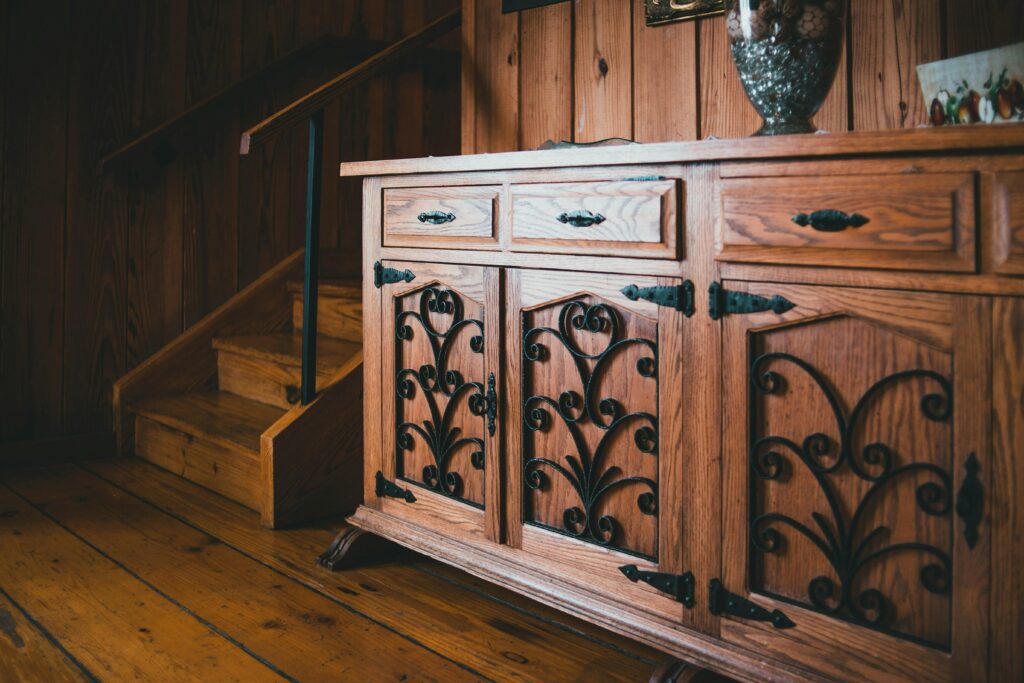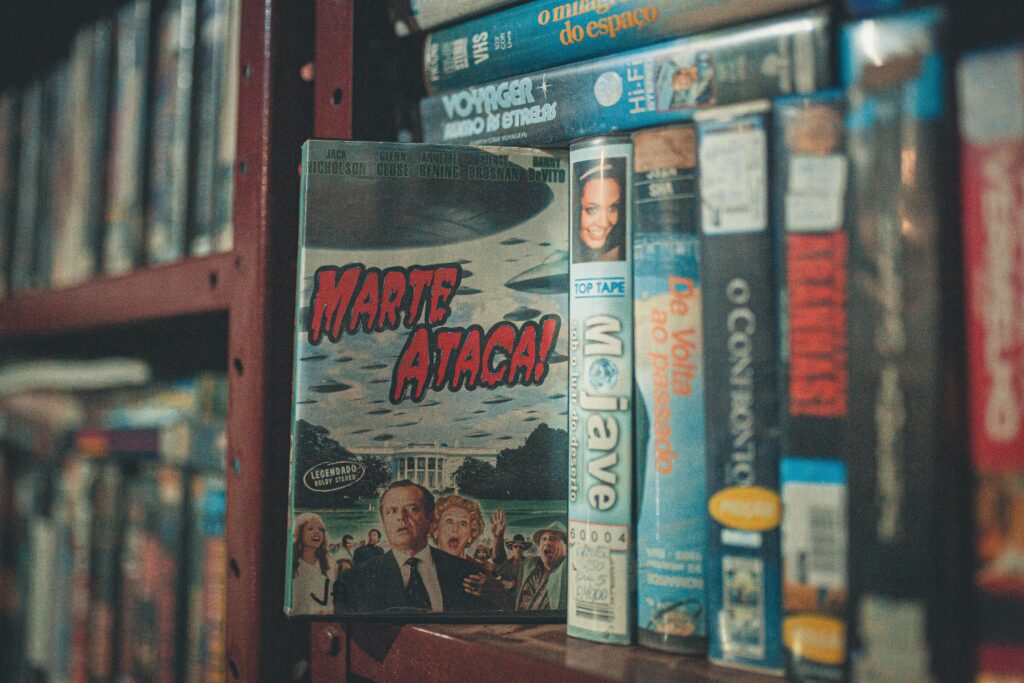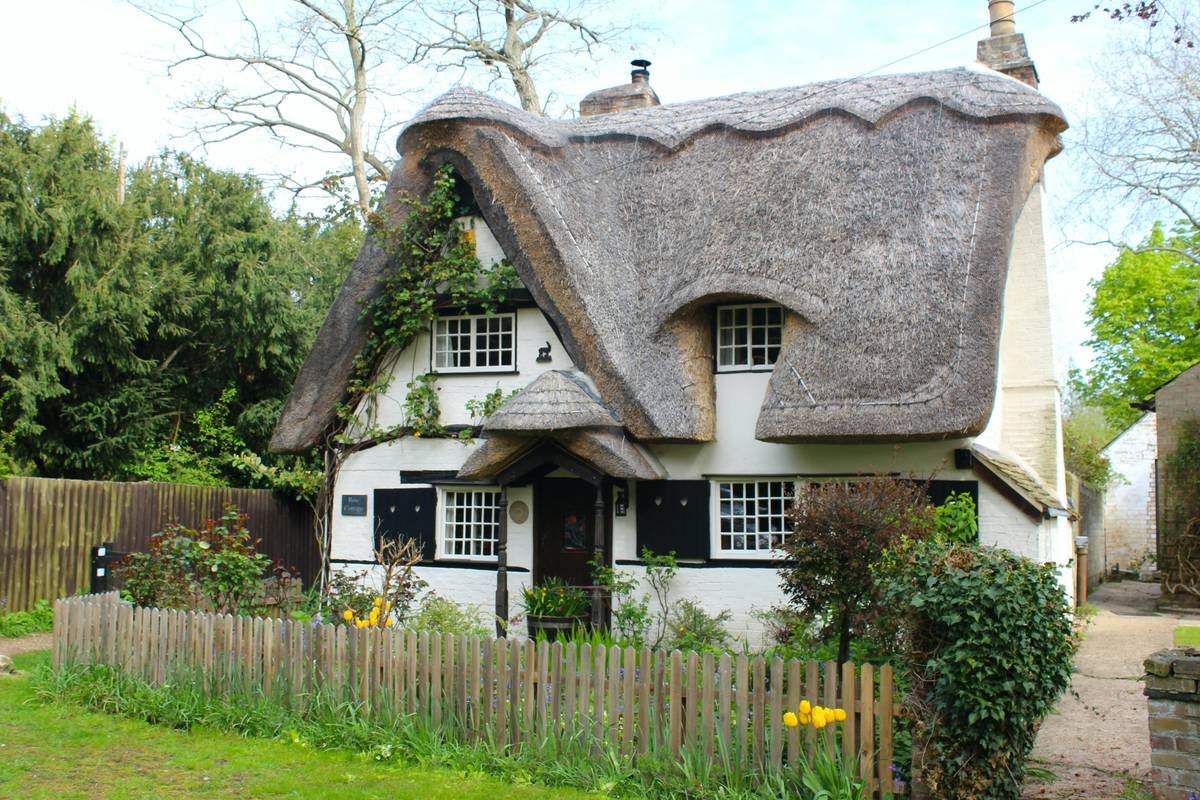
Most travelers crave authenticity—but end up in cookie-cutter apartments with generic decor and zero soul. You book a “charming cottage,” only to find stainless steel appliances, flat-pack furniture, and Wi-Fi passwords scribbled on sticky notes. The magic vanishes before you unpack your suitcase. But what if your stay itself was the experience? Vintage holiday rentals aren’t just places to sleep—they’re time machines with beds.
Why Modern Vacation Rentals Feel So Hollow
Today’s short-term rental market prioritizes turnover over texture. Hosts optimize for 5-star reviews by removing anything “unconvenient”—original wood floors get carpeted, antique fixtures replaced with LED smart bulbs, and personality sanitized. The result? A globally homogenized sleep pod.
And that’s profitable—for them. Not for you.
True historic stays demand maintenance, curation, and respect for patina—not profit-per-night algorithms. Most platforms filter out these gems because they don’t photograph like a showroom. Algorithms reward sterility. Reality rewards character.
How to Find & Book Authentic Vintage Holiday Rentals
Finding real vintage holiday rentals requires bypassing mainstream filters. Here’s how the pros do it:
Look Beyond Airbnb & Vrbo
Specialized platforms like Historic Houses, Time Travel Stay, or even regional heritage networks list properties that would never pass a “modern comfort” checklist—but offer irreplaceable atmosphere. Yes, the shower might be down the hall. And yes, that’s part of the charm.
Decode the Listing Language
Watch for coded phrases: “original features retained,” “period furnishings,” “pre-war construction.” Avoid anything labeled “renovated” or “updated”—those words often mean stripped oak beams and faux-vintage Edison bulbs. Real history doesn’t need Instagram lighting.
Ask About Provenance
Email the host. Ask: “What year was this building constructed?” or “Are any original artifacts still in use?” If they hesitate—or send you a cleaning checklist instead—you’ve found a flip, not a time capsule.
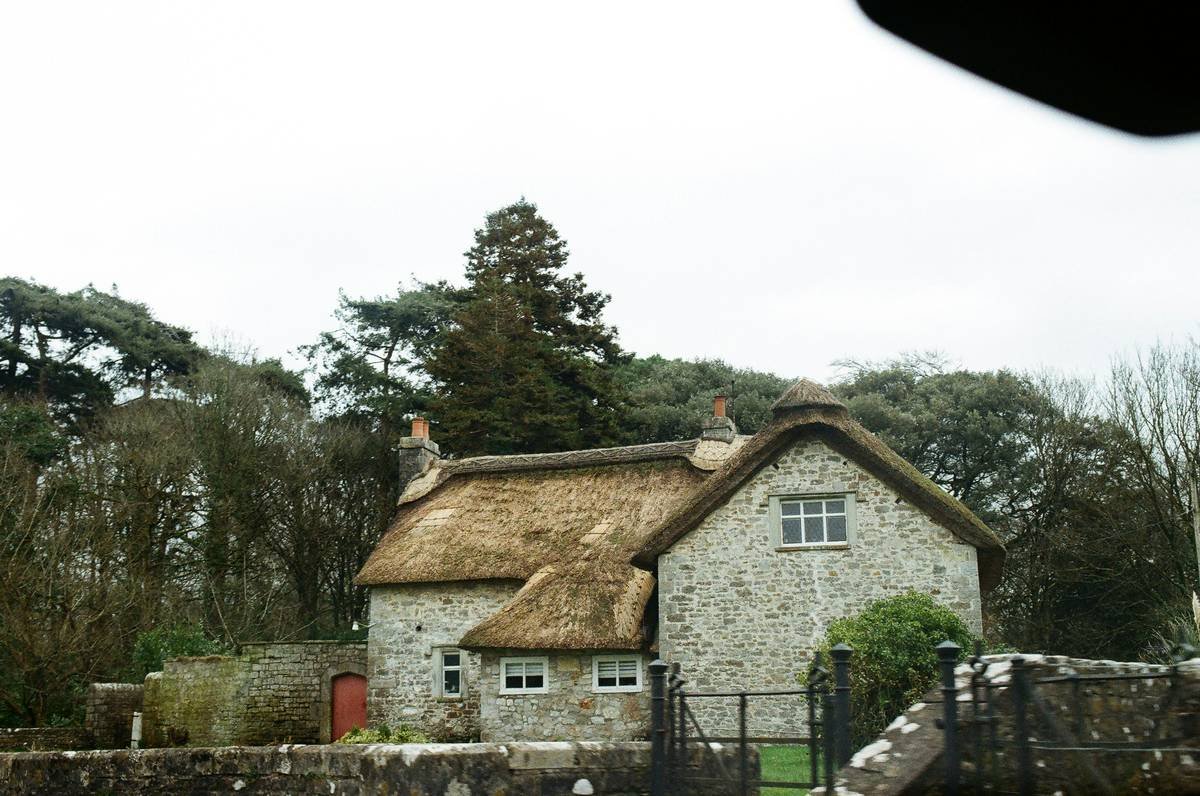
| Rental Type | Avg. Nightly Cost (Europe) | Typical Amenities | Authenticity Score* |
|---|---|---|---|
| Mainstream “Boutique” Apartment | $120–$200 | Nespresso, smart TV, keyless entry | 2/10 |
| Heritage Home (Private Owner) | $80–$150 | Original fireplace, library, clawfoot tub | 9/10 |
| Museum-Affiliated Stay | $200–$400 | Caretaker access, curated tours, archival photos | 10/10 |
*Based on architectural integrity, period objects in active use, and absence of modern substitutions.
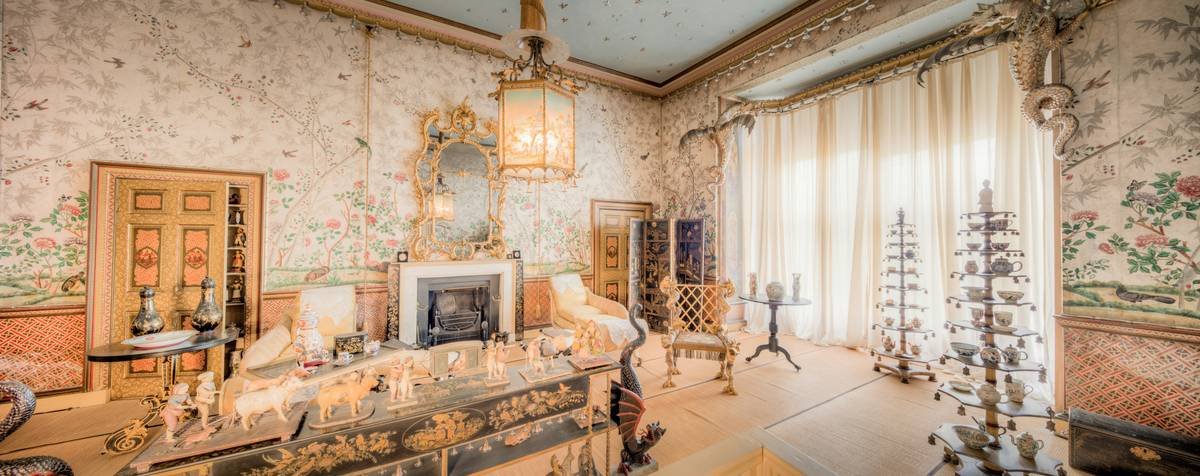
The Industry Secret No One Talks About
Here’s the reality: many so-called “historic” rentals are stage sets. Owners buy mismatched antiques at flea markets and call it “vintage.” But true time-capsule properties—the ones where every drawer still holds postcards from 1957—are usually owned by families who never listed online.
The secret? Contact local historical societies directly. In Austria, for instance, the Bundesdenkmalamt maintains a non-public registry of privately held heritage homes occasionally open for stays. They won’t advertise—but they’ll respond to a handwritten letter (yes, really) explaining your genuine interest. Digital inquiries get deleted. Analog signals respect.
That’s how I stayed in a 1780s apothecary loft outside Salzburg—no listing, no reviews, just a brass doorbell and a handwritten ledger on the desk. Priceless.
Frequently Asked Questions
Are vintage holiday rentals safe and clean?
Absolutely—if booked through verified owners. Authentic doesn’t mean unsanitary. Most maintain modern plumbing and heating discreetly. Always confirm safety compliance during booking.
Can I expect Wi-Fi in these historic stays?
Sometimes—but don’t count on it. Many owners intentionally limit connectivity to preserve the era’s ambiance. Check listing details or ask directly before booking.
Are children allowed in vintage holiday rentals?
It depends on the property. Some fragile interiors restrict kids under 12. Others welcome families and even provide period-appropriate toys. Always clarify age policies upfront.