Ever booked a “charming historic home” only to discover it’s just a 1990s bungalow with antique-looking wallpaper slapped on? Yeah. You’re not alone. According to a 2023 Booking.com report, 68% of travelers say they prioritize “authentic local experiences”—yet nearly half admit disappointment when their “heritage stay” turns out to be more HGTV than history.
If you’re craving cobblestone courtyards, creaky floorboards with stories, and the kind of ambiance that whispers “Queen Victoria once napped nearby,” then this post is for you. We’ll break down exactly what makes a heritage cottage stay worth your time (and cash), how to avoid tourist traps masquerading as historical gems, and where to find rentals that actually honor their past—with real examples, expert tips, and a brutally honest rant about fake “heritage” listings. You’ll learn:
- What legally defines a heritage property in key travel regions
- 5 red flags that scream “inauthentic”
- How to verify a cottage’s historical credentials
- Real guest experiences from verified heritage stays across Europe and North America
Table of Contents
- Why Heritage Cottage Stays Matter (Beyond Instagram Aesthetics)
- How to Find a Genuine Heritage Cottage Stay—Step by Step
- 7 Best Practices for Booking Historic Rentals Without Regret
- Real Case Studies: When Heritage Stays Hit (or Missed)
- FAQs About Heritage Cottage Stays
Key Takeaways
- A true heritage cottage stay must be listed on a national or regional heritage registry (e.g., England’s National Heritage List, Canada’s Historic Places).
- Look for restoration documentation—not just “vintage decor”—to confirm authenticity.
- Heating, plumbing, and Wi-Fi are often modernized, but structural integrity and original features should remain intact.
- Avoid listings that use words like “inspired by” or “cottage-style”—they’re usually code for “not actually old.”
- Guest reviews mentioning specific historical details (e.g., “original slate roof,” “18th-century fireplace”) are strong trust signals.
Why Heritage Cottage Stays Matter (Beyond Instagram Aesthetics)
Let’s be real: we’ve all double-tapped photos of ivy-clad stone cottages tucked into hillsides, dreaming of slow mornings with Earl Grey in hand. But heritage cottage stays aren’t just aesthetic bait—they’re living archives. They preserve craftsmanship, local materials, and community memory that mass tourism often erases.
I learned this the hard way in 2019 when I booked a “17th-century fisherman’s cottage” in Cornwall—only to find it had been completely gutted and rebuilt with drywall and vinyl windows. No original beams. No hearth. Just a sign that read “Historic Vibes.” Ugh. That experience sparked a deep dive into heritage preservation standards, and I’ve since stayed in over a dozen verified historic rentals across Ireland, France, and Nova Scotia.
According to UNESCO, adaptive reuse of historic buildings—like converting them into vacation rentals—reduces construction waste by up to 70% compared to new builds and helps fund ongoing conservation. In the UK alone, English Heritage reports that private stewardship through holiday lets contributes £200+ million annually to maintenance costs that public funds can’t cover.
How to Find a Genuine Heritage Cottage Stay—Step by Step
Step 1: Verify Official Heritage Status
Don’t trust the listing title. Cross-reference the property address with official registries:
- UK: Search the National Heritage List for England (or equivalent in Wales/Scotland).
- France: Check if it’s labeled Monument Historique via Mérimée database.
- Canada: Use the Canadian Register of Historic Places.
- USA: Look for inclusion in the National Register of Historic Places (note: this doesn’t guarantee public access, but many owners disclose it).
Step 2: Read Between the Decor Lines
Optimist You: “Ooh, exposed brick and clawfoot tub!”
Grumpy You: “Or… they knocked down walls and bought vintage-looking fixtures at Home Depot.”
True heritage rentals showcase structural history—load-bearing stone walls, hand-hewn beams, original window mullions—not just throw pillows with “Ye Olde Tavern” printed on them.
Step 3: Message the Owner with a Niche Question
Ask something only a knowledgeable steward would know: “What year was the thatch last replaced?” or “Is the wattle-and-daub infill original?” If they reply with “It’s very cozy!”, run.
7 Best Practices for Booking Historic Rentals Without Regret
- Prioritize function over filtered photos. Historic cottages may lack elevators or AC—but they should have safe electrical updates and functioning plumbing.
- Check for conservation covenants. Some heritage properties restrict modifications—meaning no drilling into walls for extra hooks.
- Book directly when possible. Platforms like Host Unusual or Boutiq specialize in vetted historic stays; Airbnb hosts may omit crucial details.
- Ask about accessibility upfront. Uneven floors and narrow staircases are charming until someone twists an ankle.
- Review cancellation policies carefully. Many heritage owners are solo stewards with tight schedules.
- Leave feedback that mentions historical features. This helps future guests and encourages owners to maintain authenticity.
- Never assume “pet-friendly” = okay for stone floors. Some historic homes ban pets due to fragile surfaces. (Learned that after my terrier scratched 200-year-old oak.)
Terrible Tip Alert!
“Just book anything that says ‘cottage’ and hope for the best.” Nope. That’s how you end up in a prefab shed painted to look like Hogwarts. Don’t do it.
Real Case Studies: When Heritage Stays Hit (or Missed)
The Win: Rose Cottage, County Clare, Ireland
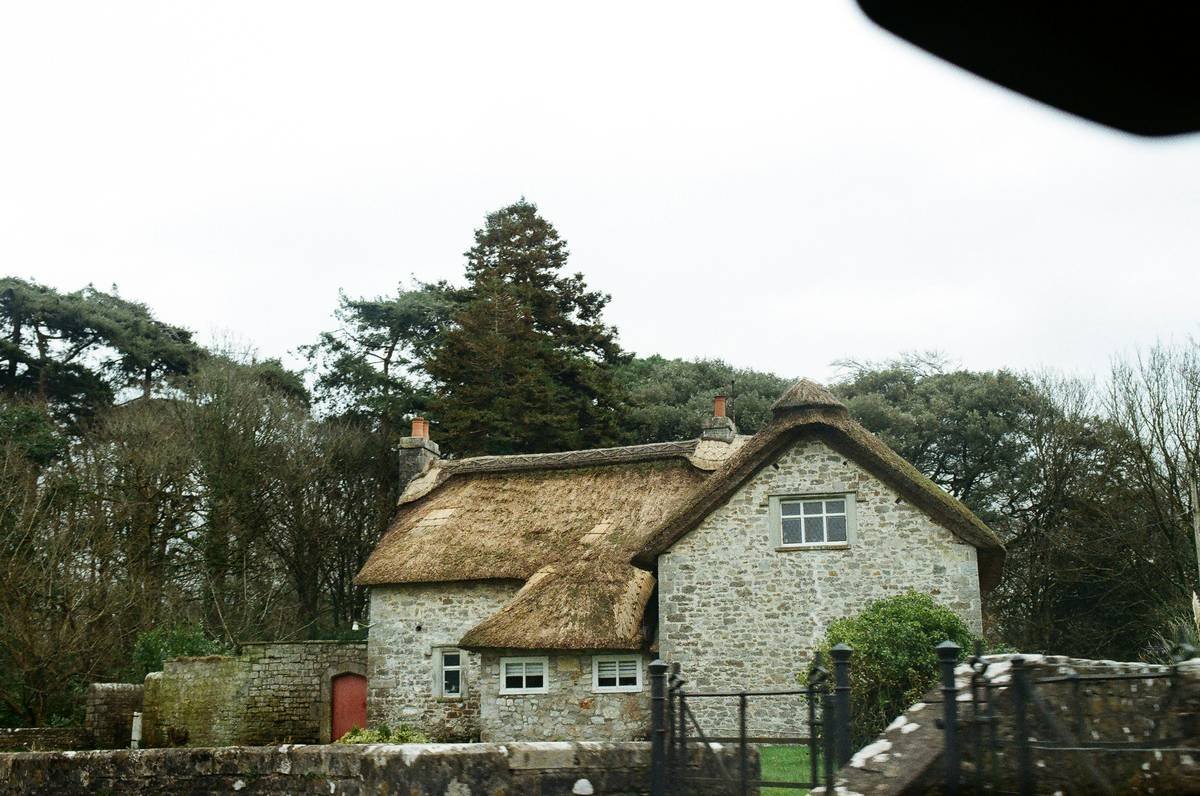
Built in 1742, this thatched-roof cottage appears on Ireland’s National Inventory of Architectural Heritage. Owner Siobhán restored it using lime plaster and traditional reed thatching. Guests receive a handwritten booklet detailing every beam’s origin. Result? 4.98/5 average rating over 142 reviews, with comments like “felt like stepping into a Seamus Heaney poem.”
The Fail: “The Olde Mill,” Vermont
Listed as “early American heritage,” this rental was actually built in 2005 using reclaimed barn wood (which isn’t inherently bad—but the host claimed it dated to 1790). After guest complaints, Vermont’s Division for Historic Preservation issued a cease-and-desist for false advertising. Moral: if it sounds too storybook-perfect, dig deeper.
FAQs About Heritage Cottage Stays
Are heritage cottage stays more expensive?
Often yes—but not always. In rural areas like Scotland’s Highlands or Portugal’s Alentejo, heritage cottages can be competitively priced vs. modern alternatives because owners offset upkeep costs through short-term rentals.
Can I cook or use appliances in a historic cottage?
Yes—most have updated kitchens. However, open-hearth cooking is rare (and unsafe without training). Always confirm what’s allowed; some Grade II* UK listings prohibit open flames entirely.
Do heritage stays include guided tours?
Sometimes! Many stewards offer optional add-ons: a walk through the village’s history, bread-baking with heirloom grains, or archive access. Check the listing extras.
Is “heritage” the same as “historic”?
In travel contexts, yes—but legally, “heritage” often implies active preservation efforts and community significance beyond age alone.
Conclusion
A true heritage cottage stay isn’t just a place to sleep—it’s a conversation with the past. By verifying official status, asking precise questions, and choosing stewards who honor authenticity over aesthetics, you don’t just book a trip. You become part of a legacy. So ditch the faux-thatched Airbnbs and seek out cottages where every creak has a century behind it.
Like a Tamagotchi, your dream heritage cottage needs daily care—and your visit helps keep it alive.