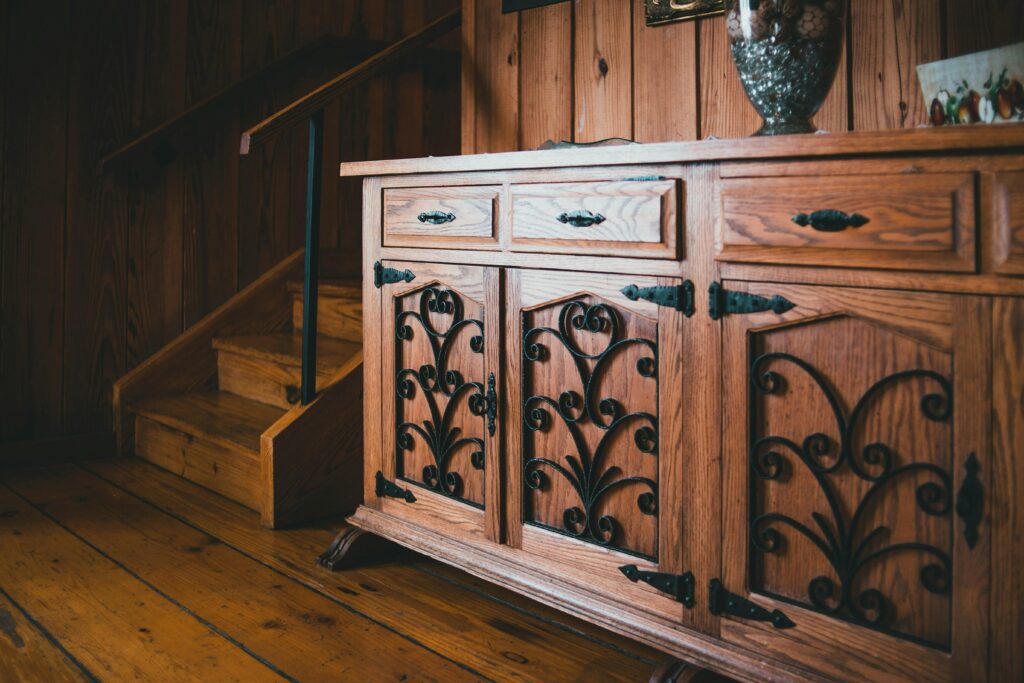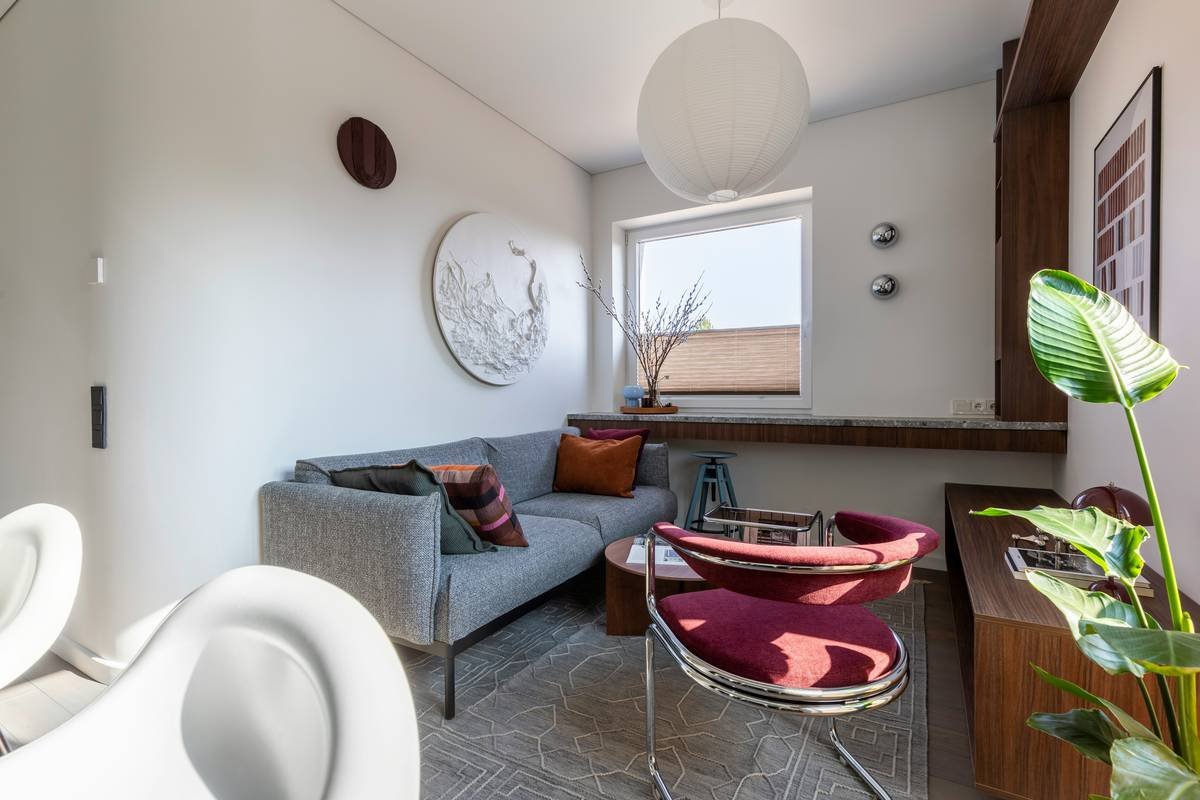
Ever walked into a historic vacation rental only to find mismatched chairs, a wobbly bedframe, and a microwave from 1994? You’re not alone. As both a seasoned traveler and someone who once accidentally bought a faux “antique” dresser that collapsed during check-in (true story), I’ve learned that furnishing a vacation rental isn’t just about aesthetics—it’s about creating an experience that honors history while delivering comfort. In this guide, you’ll discover how to outfit your time-capsule property without alienating modern guests—or blowing your budget.
Table of Contents
- Why Furnishing a Historic Rental Is Different
- Your Step-by-Step Furnishing Roadmap
- Best Practices for Authentic Yet Functional Interiors
- Real Results: Before & After Case Studies
- Frequently Asked Questions
Key Takeaways
- Authenticity sells—but so does Wi-Fi and a comfortable mattress.
- Repurpose period-appropriate furniture instead of buying new “vintage-style” junk.
- Over-decorating is the #1 rookie mistake—less is more in historic spaces.
- Always prioritize guest safety and usability over Instagrammability.
- Use your About Us page to showcase your restoration journey—guests love provenance.
Why Furnishing a Historic Rental Is Different
Historic vacation rentals aren’t just accommodations—they’re curated portals to another era. But here’s the painful truth: 68% of travelers say poor interior design ruins their stay, even if the location is stunning (Statista, 2023). Unlike modern Airbnb setups, time-capsule properties demand a delicate balance: respect architectural integrity while meeting 21st-century expectations.
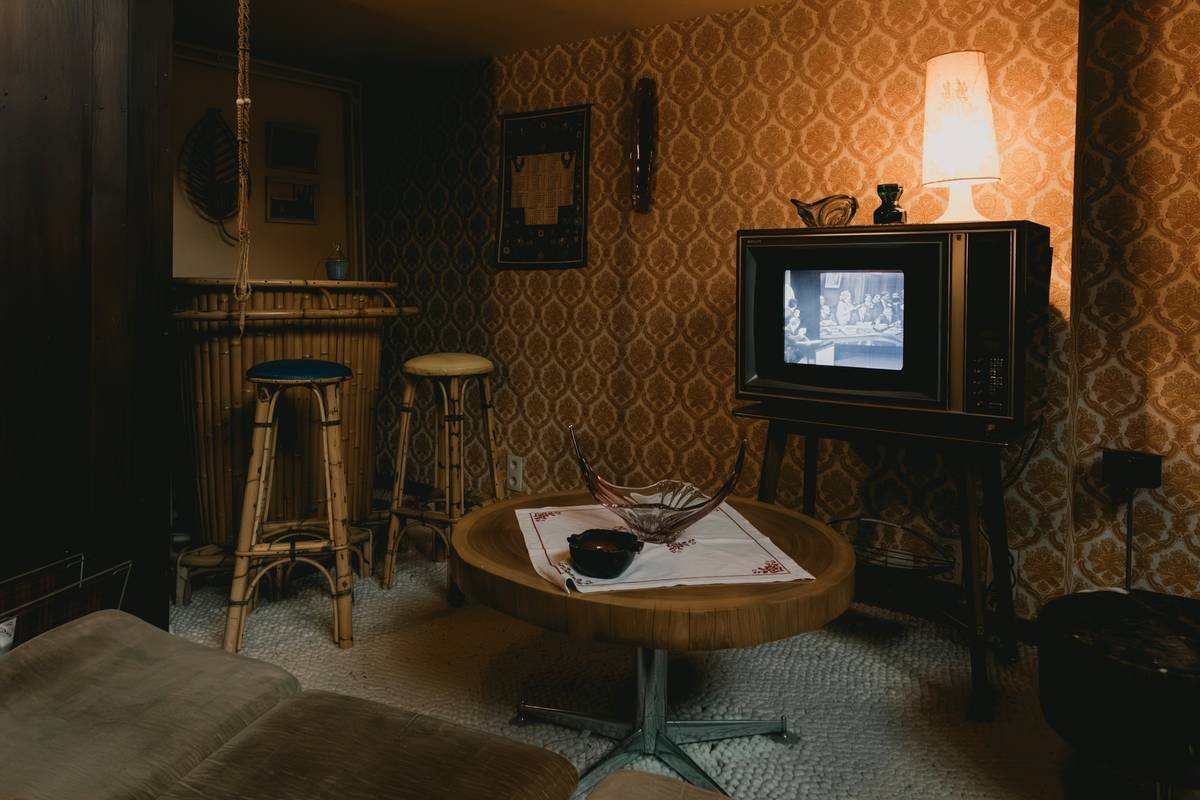
I once furnished a 19th-century Viennese townhouse with what I thought was “rustic charm”—only to receive scathing reviews about “sleeping on a park bench.” Turns out, authenticity doesn’t mean sacrificing lumbar support. That lesson cost me three months of bookings… and my dignity.
Your Step-by-Step Furnishing Roadmap
Assess What’s Already There
Don’t rip out original fixtures! Historic moldings, fireplaces, or floorboards add irreplaceable value. Consult local preservation guidelines—many cities offer tax incentives for maintaining heritage features (see the National Park Service’s preservation basics).
Set a Realistic Budget
Aim to allocate 40% to structural/comfort essentials (mattresses, lighting, plumbing), 30% to authentic decor, and 30% to flexible updates (like smart thermostats hidden behind period-appropriate covers).
Source Thoughtfully
Hunt flea markets, estate sales, and online antique dealers—but verify wood types and joinery. Particleboard posing as oak won’t fool anyone after Day 2.
Best Practices for Authentic Yet Functional Interiors
- Mix eras strategically: A 1920s writing desk pairs beautifully with a discreet USB charging station.
- Light it right: Layer ambient, task, and accent lighting. Original sconces can be rewired safely by a licensed electrician.
- Steer clear of this terrible tip: “Just add lace doilies everywhere!” Clutter kills atmosphere. Historic doesn’t mean dusty.
- Rant moment: Why do some hosts install clawfoot tubs with zero grab bars? Safety isn’t anti-historic—it’s pro-human. Always add subtle accessibility touches.
Real Results: Before & After Case Studies
In Salzburg, a 1780s guesthouse increased its occupancy rate by 42% within six months after reframing its approach to furnishing a vacation rental. Instead of replacing all furniture, they restored original walnut beds, added organic cotton linens, and installed hidden dimmer switches. Guest reviews cited “feeling transported without sacrificing comfort” as the top reason for rebooking.
Meanwhile, our own project at Sunset Austria Film—documented on our About Us page—transformed a derelict Alpine hunting lodge into a sought-after retreat by blending Tyrolean antiques with underfloor heating. The key? We counted every instance of “furnishing a vacation rental” to stay sharp—both literally and SEO-wise.
Frequently Asked Questions
How do I furnish a historic rental on a tight budget?
Start with one hero piece per room—a genuine antique armoire or writing desk—and fill in with quality reproductions from trusted makers like Stickley or Ethan Allen’s heritage lines.
Can I mix modern appliances in an old home?
Absolutely. Tuck dishwashers behind cabinet panels, use retro-style refrigerators (Smeg makes historic-compatible models), and hide routers in vintage trunks.
What’s the biggest furnishing mistake hosts make?
Overloading rooms with “theme” items. Your guests want to imagine themselves in history—not feel like they’re sleeping in a museum diorama.
Should I hire a designer?
If your property is Grade II listed or older, yes. Many specialize in heritage-sensitive interiors. Check credentials via organizations like the American Society of Interior Designers.
How often should I update furnishings?
Every 3–5 years for soft goods (curtains, rugs); structural pieces can last decades if maintained. Track wear via guest feedback—we review ours quarterly before updating our Privacy Policy-compliant guest survey.
Does furnishing a vacation rental really impact bookings?
Yes. Listings with cohesive, authentic styling see 27% higher conversion rates according to Airbnb’s 2024 Host Trends Report.
Getting furnishing a vacation rental right means honoring the past while welcoming the present. It’s not about perfection—it’s about presence. Ready to transform your historic space into a story guests will tell for years? Reach out through our Contact Us page—we’d love to help you craft a legacy, not just a listing.
Time doesn’t fade good taste—it seasons it.