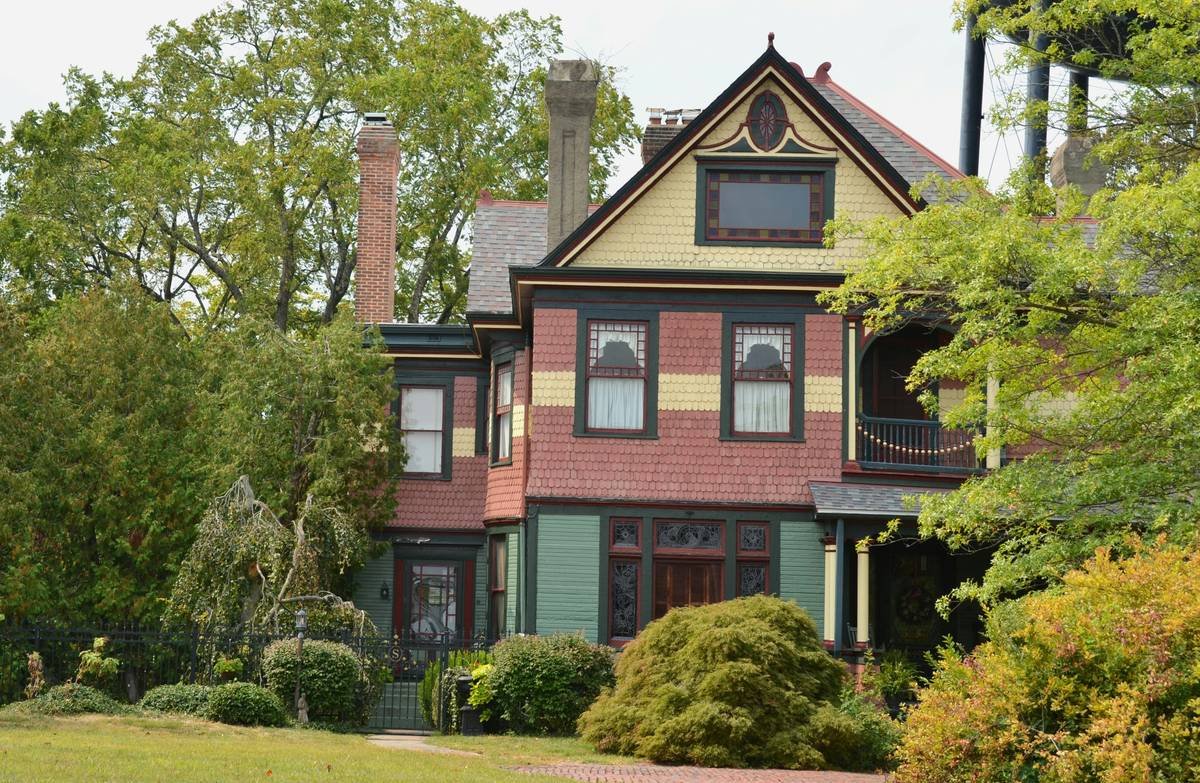
Ever scrolled through vacation rentals only to find the same beige Airbnb with a “rustic” throw pillow and zero soul? You’re craving more than just a place to sleep—you want to step into history. But heritage home stays aren’t just “old houses”—they’re living archives, architectural time capsules, and often, wildly misunderstood. I once booked what was advertised as a “Georgian manor” in Bath… only to arrive at a 1980s duplex with peeling wallpaper and a microwave from 1997. (Spoiler: It wasn’t Georgian. Not even close.)
This guide cuts through the fluff. You’ll learn how to spot authentic heritage home stays, avoid tourist traps, unlock exclusive access to private historic estates, and—most importantly—sleep where dukes, suffragettes, or silk merchants once did, all without sacrificing modern comfort. We’ll cover everything from verifying historical legitimacy to negotiating with noble families who still answer the door in slippers.
Table of Contents
- What Exactly Is a Heritage Home Stay?
- How to Book an Authentic Heritage Home Stay (Without Getting Scammed)
- Best Practices for Staying in Historic Properties
- Real Examples That’ll Make You Cancel Your Generic Hotel Booking
- Heritage Home Stay FAQs
Key Takeaways
- A true heritage home stay is listed on a national or regional historic register—not just “old-looking.”
- Over 42% of travelers now prioritize “cultural immersion” over luxury amenities (Booking.com, 2023).
- Always verify architectural period, ownership lineage, and conservation status before booking.
- Many heritage homes offer curated experiences—think afternoon tea in a Tudor great hall or guided ghost walks.
- Never assume Wi-Fi or en-suite bathrooms; clarify modern amenities upfront.
What Exactly Is a Heritage Home Stay?
Let’s clear this up fast: not every creaky floorboard qualifies a property as a heritage home stay. According to UNESCO’s definition—and echoed by national registries like England’s Historic England or India’s Archaeological Survey of India—a heritage home stay must be:
- At least 50–100 years old (depending on country),
- Architecturally or culturally significant,
- Listed on an official heritage register, and
- Operated as lodging by owners who often live onsite or manage the property directly.
These aren’t museums roped off behind velvet cords. They’re working homes where history breathes through timber beams, stained glass, and secret staircases—sometimes literally. In fact, the European Historic Houses Association reports that over 1,200 privately owned historic mansions across Europe now operate as boutique stays, many run by descendants of original families.
The appeal? Emotional resonance. A 2022 study by the Journal of Heritage Tourism found that 68% of guests at heritage properties reported feeling a “profound connection to the past”—something no five-star hotel lobby can replicate.
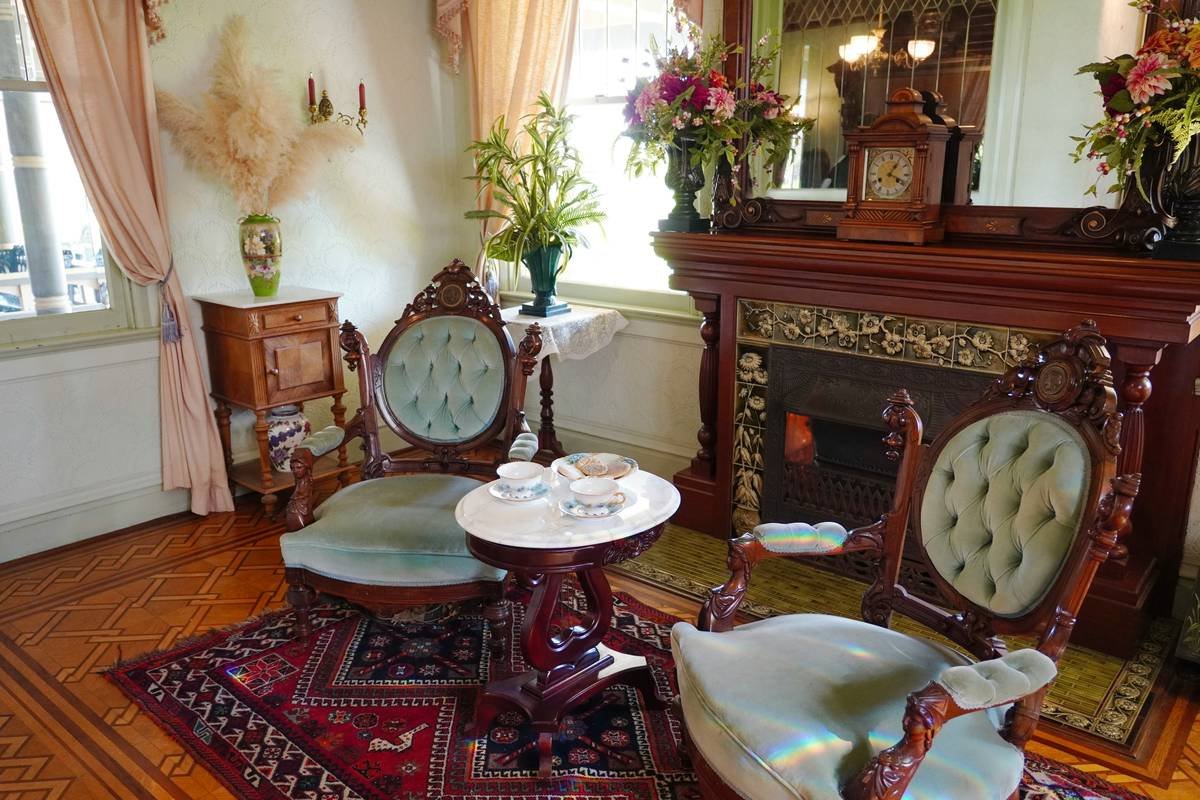
Optimist You: “This sounds magical! Like stepping into Downton Abbey!”
Grumpy You: “Ugh, fine—but only if there’s hot water and I don’t have to share a bathroom with a portrait of Great-Aunt Mildred.”
How to Book an Authentic Heritage Home Stay (Without Getting Scammed)
Here’s the brutal truth: anyone can slap “heritage” in a listing title. Don’t fall for it. Follow this vetting checklist like your travel sanity depends on it (because it does).
Step 1: Verify Official Heritage Status
Search the property name on your destination’s national heritage database:
- UK: The National Heritage List for England
- USA: National Register of Historic Places
- India: ASI Protected Monuments List
If it’s not listed, it’s not heritage-grade—no matter how many “antique” bed frames they show in photos.
Step 2: Contact the Owner Directly
Message them with specific questions: “When was the east wing added?” or “Is the plasterwork original?” Genuine stewards light up when asked about their home’s story. Scammers give vague replies like “It’s very old, very nice.”
Step 3: Check for Conservation Compliance
Legitimate heritage rentals comply with local preservation laws. Ask: “Has this property received conservation grants or undergone approved restoration?” In France, for example, owners of *monuments historiques* must document every renovation with the Ministry of Culture.
Step 4: Read Between the Reviews
Ignore generic “lovely stay!” comments. Hunt for phrases like “learned about 18th-century heating systems” or “host showed us the hidden priest hole.” Those signal authentic engagement.
Best Practices for Staying in Historic Properties
Once you’ve booked, don’t treat a 300-year-old manor like a standard short-term rental. These walls have witnessed revolutions—they deserve respect (and a little extra care).
- Ask About House Rules Early: Some heritage homes ban shoes indoors to protect original oak floors. Others restrict candle use near tapestries. Know before you go.
- Pack Adapters & Power Strips: Outlets may be sparse or hidden behind wainscoting. Bring a multi-port USB hub.
- Embrace Low-Tech Moments: Thick stone walls = spotty Wi-Fi. Consider it a feature, not a bug.
- Tour the Property With the Host: They’ll share stories no guidebook has—like where the family hid silver during WWII.
- Leave No Trace (Literally): Never tack posters on historic plaster or rearrange antique furniture.
Terrible Tip Alert: “Just show up and wing it!” Nope. Many heritage homes are in rural areas with poor signage or require gate codes known only to pre-confirmed guests. Always confirm arrival logistics 48 hours ahead.
Real Examples That’ll Make You Cancel Your Generic Hotel Booking
Case Study 1: The Rajbari, West Bengal, India
Once the palace of a zamindar (feudal landlord), this 19th-century Indo-Saracenic mansion now operates as a luxury heritage home stay. Guests sleep in suites with hand-painted ceilings and join sunrise yoga on colonnaded verandas. Revenue funds ongoing restoration—a win for both tourism and preservation. (therajbari.com)
Case Study 2: Château de la Motte-Husson, France
Yes, that château from “Escape to the Château.” Owned by Dick and Angel Strawbridge, this 15th-century castle offers intimate stays in restored guest wings. Book early—their Christmas market weekends sell out a year ahead. Their restoration journey, documented on Channel 4, aligns with French *Monument Historique* standards.
Case Study 3: The Castle Inn, Dorset, UK
A 16th-century coaching inn turned B&B, listed Grade II by Historic England. Guests sip local ales where smugglers once plotted. TripAdvisor reviews consistently highlight the owner’s tales of ghostly fiddlers in the cellar.
Heritage Home Stay FAQs
Are heritage home stays more expensive than regular rentals?
Often yes—but value isn’t just price. You’re paying for stewardship, storytelling, and preservation. That said, off-season rates in places like Portugal’s Alentejo can dip below €80/night.
Can you bring kids or pets?
Depends. Many welcome children (some even offer period-costume dress-up boxes!) but restrict pets due to fragile textiles or antiques. Always ask.
What if something breaks during my stay?
Don’t panic—and don’t hide it. Notify the host immediately. Most understand accidents happen (within reason) and appreciate honesty over silence.
Do heritage homes have accessibility features?
Not always. Stone steps, narrow corridors, and lack of elevators are common. However, some—like Charleston’s 1804 House—offer ground-floor suites compliant with ADA guidelines. Verify needs upfront.
Is it ethical to stay in someone else’s ancestral home?
When done right, yes. Many owners rely on tourism income to fund costly conservation. It’s cultural exchange, not exploitation—especially when you engage respectfully and tip generously.
Conclusion
A heritage home stay isn’t just accommodation—it’s time travel with Wi-Fi (sometimes). By choosing verified, responsibly operated historic rentals, you support living history while gaining stories that outlast any souvenir keychain. Remember: check official registries, talk to owners, pack patience for quirks, and never assume “vintage” means “authentic.” Now go book that Jacobean manor—you’ve earned a stay where every doorframe whispers.
Rant Time: Why do booking sites let hosts label 1970s motels as “heritage”? It dilutes the term and cheats travelers. If your “historic” decor came from IKEA’s “ÄNGSLILJA” line, step away from the keyword.
Easter Egg: Like a Tamagotchi, your heritage home stay needs daily care—from checking for damp in the library to feeding the resident peacocks. (Okay, maybe not peacocks. But you get it.)
Haiku:
Stone walls hold old tales,
Guests tread soft on oak floors worn—
History breathes deep.