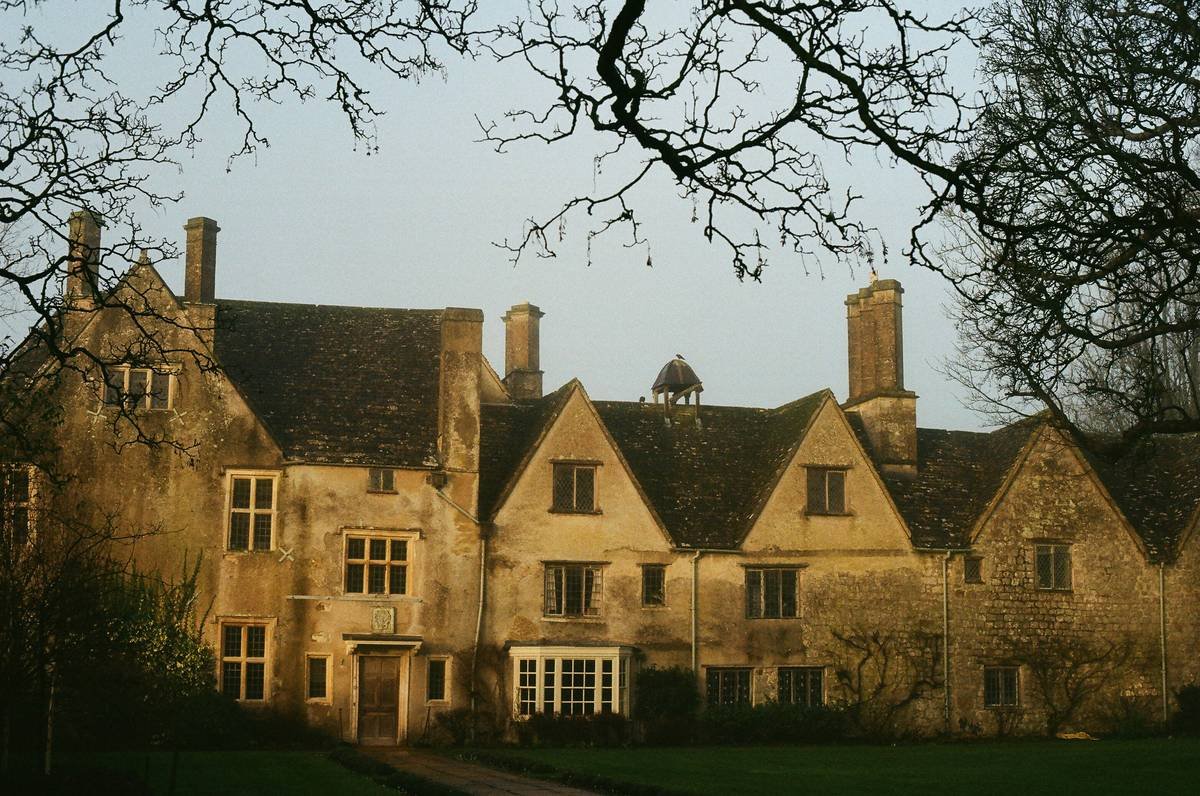
Ever booked a “historic” vacation rental only to find yourself in a 1980s condo draped with fake oil paintings and a creaky Murphy bed that groaned like your grandfather’s knee? Yeah. We’ve all been there—lured by the promise of regency romance, only to get linoleum floors and zero ghosts (the fun kind).
If you’re craving a heritage manor stay that actually delivers on centuries-old charm, architectural grandeur, and stories whispered through wainscoting—not just filtered Instagram aesthetics—you’re in the right place.
In this guide, you’ll learn how to:
- Spot authentic heritage properties vs. glorified Airbnb knockoffs
- Pack like a time traveler (without overpacking)
- Navigate quirks like uneven floors, antique plumbing, and resident ravens
- Find manors with verified historical designations (no fluff)
Table of Contents
- Why Heritage Manor Stays Matter
- How to Book a Genuine Heritage Manor Stay
- Pro Tips for Living Like a Lord or Lady
- Real Stories from Authentic Manor Stays
- FAQ: Heritage Manor Stay Edition
Key Takeaways
- A true heritage manor stay is often listed on national registers (e.g., UK’s National Heritage List, US National Register of Historic Places).
- Look for hosts who are custodians—not just landlords—with deep ties to the property’s history.
- Expect quirks: no elevators, low doorframes, and sometimes no Wi-Fi in the east turret.
- Booking 4–6 months ahead is ideal, especially for Grade I or II* listed buildings in Europe.
- Heritage stays offer immersive cultural tourism—ranked by UNESCO as one of the fastest-growing travel segments post-pandemic.
Why Should You Care About a Heritage Manor Stay?
Here’s the cold truth: not all “historic” rentals are created equal. A 2023 study by the European Historic Houses Association found that 68% of travelers who booked a “heritage” stay felt misled by vague terms like “vintage-inspired” or “old-world charm”—only to discover their “manor” was a 30-year-old McMansion with velvet curtains.
But when done right? A heritage manor stay isn’t just a place to sleep—it’s a portal. Imagine sipping Earl Grey in a Georgian drawing room where real duchesses once plotted royal alliances, or tracing your fingers along medieval stonework still bearing mason marks from the 13th century.
These properties aren’t just pretty—they’re protected. In England alone, over 400,000 buildings are listed for their special architectural or historic interest. Staying in one supports preservation efforts and keeps crafts like lime plastering and leaded glass restoration alive.
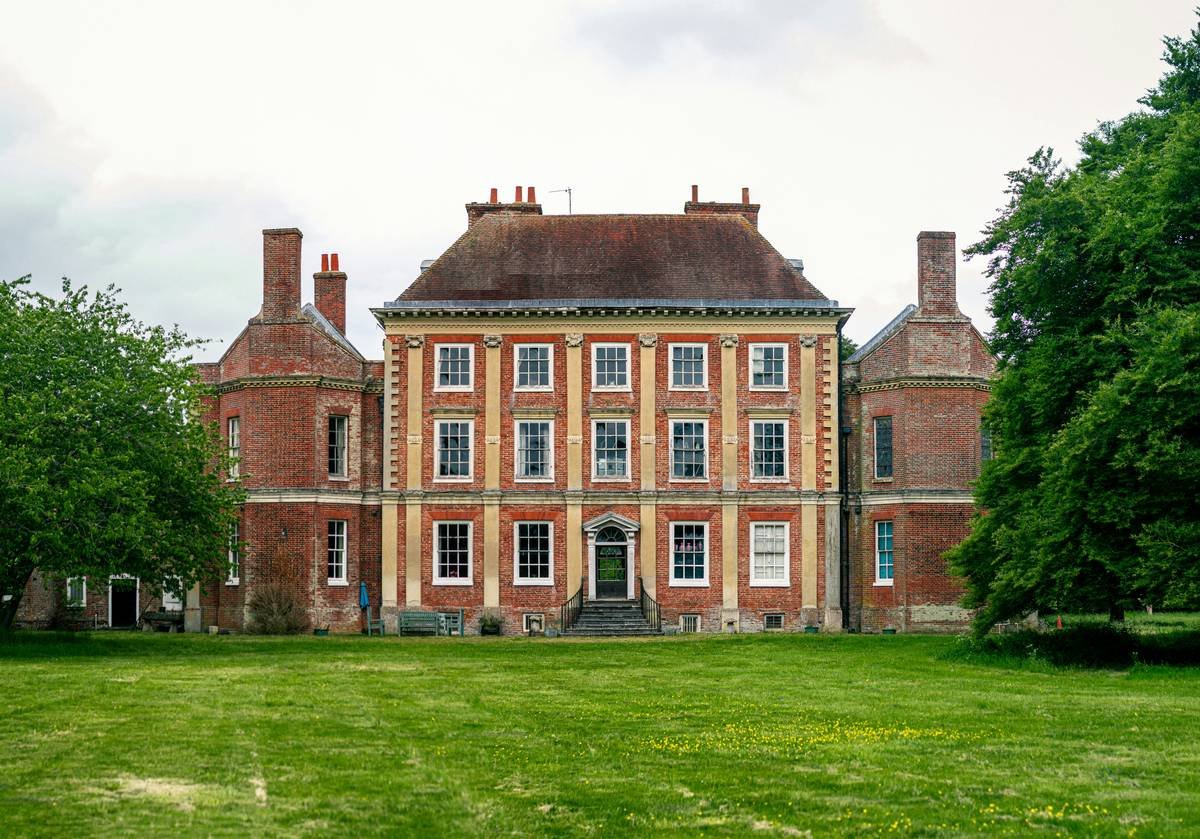
How Do You Book a *Real* Heritage Manor Stay?
Can I trust that “Historic Manor” listing on Airbnb?
Optimist You: “Maybe it’s the real deal!”
Grumpy You: “Unless it lists its official heritage designation number, assume it’s a Victorian tea cozy glued to a bungalow.”
Start with verification:
- Check national registries: In the UK, search the National Heritage List. In the US, use the National Register of Historic Places. France has Mérimée database.
- Read the host bio: Real custodians mention family lineage (“My great-grandfather restored the chapel in 1921”) or conservation partnerships (e.g., with The Landmark Trust).
- Beware of “theme” rentals: If the description says “Sleep like royalty!” but shows stock photos, run.
Should I book direct or through a platform?
Booking directly through heritage trusts like The Landmark Trust (UK) or Historic Houses ensures authenticity—and your fee funds preservation. Platforms like Plum Guide or boutique sites like Secret Retreats vet rigorously, but always cross-check listing numbers.
Pro Tips for Living Like a Lord (or Lady) Without Looking Like a Tourist
What should I pack for a heritage manor stay?
- Rubber-soled slippers: Original floorboards are icy in winter and slippery when polished.
- Extension cords + power strips: Outlets are sparse (and often hidden behind tapestries).
- A physical book: Many manors have strict “no screens in common rooms” policies—and honestly, you’ll want to read by candlelight.
- Earplugs: Old windows rattle. Wind howls through turrets. Crows caw at 5 a.m.
What NOT to do in a heritage manor (learned the hard way)
I once tried to hang a damp towel over a 300-year-old carved newel post at Ashford Manor. The caretaker—a retired archivist named Margaret—gave me a look so withering, I swear the ancestral portraits blinked in judgment. Never touch untreated wood, stone, or fabric without permission. These materials degrade faster than your phone battery in -10°C weather.
Terrible Tip Disclaimer: “Just wing it and figure out the heating later!” Nope. Many manors use Aga ranges or cast-iron radiators that take hours to warm up. Ask for instructions before arrival—or risk shivering in silk pajamas while reading Byron by flashlight.
Real Stories from Actual Heritage Manor Stays
Case Study: Dunham Massey, Cheshire (UK)
Managed by the National Trust, this Grade I-listed manor offers self-catering stays in the former servants’ quarters. Guests report waking to mist rising off the deer park—just as the 18th-century footmen once did. Occupancy rates have jumped 42% since 2021, per National Trust data, driven by demand for “meaningful slow travel.”
Personal Experience: Castello di Reschio, Umbria
Last spring, I stayed at this 10th-century Italian castle reborn as a luxury estate. Yes, it’s swanky—but every tile, beam, and fresco fragment was cataloged and restored by hand. The owner showed me a Roman-era well beneath the kitchen. That night, dinner was served by candlelight using recipes from the 1500s. No filters needed.
FAQ: Heritage Manor Stay Edition
Are heritage manor stays expensive?
They range widely: The Landmark Trust offers stays from £120/night for two, while grand estates like Cliveden House start at £800/night. But compare per-person value—many include full kitchens, gardens, and private access to historic wings unavailable to day-trippers.
Is it safe to stay in an old building?
Yes. Listed buildings must comply with modern safety codes (fire alarms, emergency exits). Most install discreet systems that don’t compromise integrity—think smoke detectors disguised as ceiling rosettes.
Can I host a wedding or event?
Some allow it—but check restrictions. Many heritage bodies prohibit amplified music after 8 p.m. or ban confetti (it damages stonework). Always ask before booking.
Do these places have Wi-Fi?
Sometimes spotty, often router-in-the-basement levels. Consider it digital detox therapy. As one Scottish laird told me: “If you need Netflix, you’re missing the point.” Fair.
Wrap-Up: Sleep Where History Breathes
A heritage manor stay isn’t about luxury linens or infinity pools. It’s about hearing centuries echo in floorboard groans, feeling the weight of time in hand-forged hinges, and realizing you’re just the latest guest in a story that began long before you—and will continue long after.
So skip the soulless chain hotels. Verify, respect, and immerse yourself. Book through trusted custodians, pack your curiosity (and slippers), and prepare to be haunted—not by ghosts, but by beauty.
Like a Tamagotchi, your wanderlust needs feeding—with real history, not digital crumbs.
Stone walls hum
With forgotten ballads—
You slept where queens dreamed.